What training have you done to improve your ability as a performer? And how did you find it?
I attended Middlesex University and did a London University Diploma in Dramatic Art. I found it very useful. However, my real training has been spent working in the industry for the last thirty-three years. We are constantly learning as actors and continue to pick up useful information from the people we work with. I always watched actors whose work I wanted to aspire to. I also keep myself and my body fairly fit and cycle to improve my general well-being. During the first seven years of my career, I engaged in what is called four weekly rep. This involves constantly working on new scripts each month. I attended voice classes and singing lessons and movement and yoga classes and continue to learn even now.
Did you ever have a backup plan? If yes, what did you want to become?
I was going to be a chef. I learnt how to cook by attending a catering college course in Brighton. After that, I went to train. My grandfather was a chef, and I thought I might become a cook.

How did you get into the industry?
I wrote to a lot of different theatres all over the country. One day I got a reply to one of my letters. They asked me to audition for a role, and I landed the part. My first job was for a children’s theatre company called The Unicorn Theatre For Children.
During your time not working as part of the industry, what do you do to get by?
I teach workshops all over the country. I have taught at Mountview Academy, Central School of Speech and Drama, LAMDA, and Oxford University. I have also taught at many other arts training colleges and youth theatre groups.
How can your experiences contribute to your employment in the performing arts industry?
Your experience is essential. The more experience you have, the more casting people and directors will see your work. The more people that see you work, the more chances you have of being used by employers. Good reviews can also help, but the most important thing is that work breeds work.
What are the harsh realities of working in the business that people don’t always tell you about?
You will spend time unemployed. You will go to countless auditions without getting the job at the end of it. This will nearly always be the hardest thing to cope with. Paying your everyday bills from the proceeds of acting work may be impossible. Having the support of people around you can lessen the pain. Coping with unemployment is one of the hardest things. Do not get jealous or bitter. People you think aren’t as talented as you may get the work you auditioned for.
On average, what is the difference between the pay of a leading performer and ensemble members?
It can vary enormously. Some theatres employ people on a company wage. Everybody earns the same, regardless of the role they play. I have worked for theatres that do this. The NT employs people on an experience-level pay system. The more you work for the NT, the more likely your fee will increase over time. Then you will receive a fee for each performance you have. Some film and television actors receive on average much higher salaries than those who work in the theatre. The top 2% of actors in film and television earn the most money, as they are what are considered stars. Because of their name recognition, they bring many millions of dollars or pounds to ticket sales. Consequently, they demand very high salaries to accept a role.














You’ve heard the saying “It’s not about what you know; it’s about who you know.” What is your opinion on this statement in relation to the performing arts industry?
I have found that this statement largely depends on the work you do. It also depends on keeping in touch with those who you work with. If you don’t get along with the people you work with, you will not work often. This is true even if you are hugely talented. If you are talented and get along with people, you will make contacts. These contacts will last many years. That can sometimes work in your favour, and people will recommend people they know or are friends with for work. People want to work with those who are easy to work with and turn up on time. They should know their lines and not allow their personal life to interfere with their work. Being good company members is also essential.
What would be the best advice you would give to someone wanting to join the business?
Get some proper training at an approved drama college. Join Equity, the actors’ union. Keep yourself busy even if you aren’t working professionally. Go and watch others work. Work within the business somehow. Work backstage or front of house anywhere where you can keep hearing about what’s going on in the business. Get an agent and make them put you up for work…these days there are cooperative agents run by actors, and that can be a stepping stone to finding an agent.
Can you tell us about your most memorable audition?
It would have to be when I auditioned for Miss Saigon. I learnt the song Bui Doi. I sang it for Sir Nicolas Hytner, Sir Cameron Mackintosh, Claude Michel Schoenberg, Alain Boublil, and Richard Maltby. It was on stage at The Theatre Royal Drury Lane. I remember Claude Michel Schoenberg coming on stage after I had sung the song. He gave me a huge hug!
What is your favourite part about working in the business?
Working with great writing, talented people, and interesting directors, and having a fabulous rehearsal process.
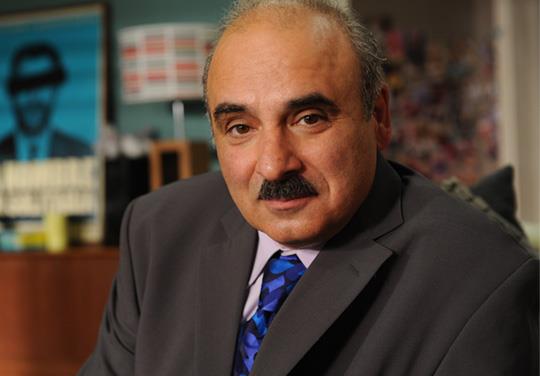
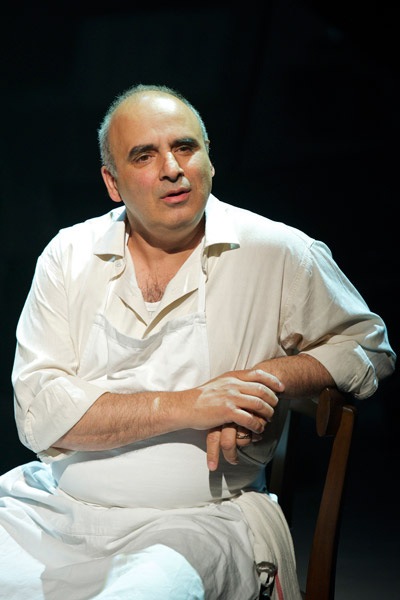
 Peter Polycarpou
very insightful and positive interview. Young actors need to read and heed,especially to join the union.
well done.
Gwynfor Hood
LikeLike
Thanks so much for your comment. I am pleased you liked the interview, and I do hope it encourages young people coming into the profession to think about joining our Union.
LikeLike